Why Is My Energy Bill Going Up? 6 HVAC Problems That Could Be Costing You Money
A noticeable jump in your energy bill can be a sign your HVAC system is working harder than it should. Here are six common HVAC problems Huntsville homeowners should check this October.
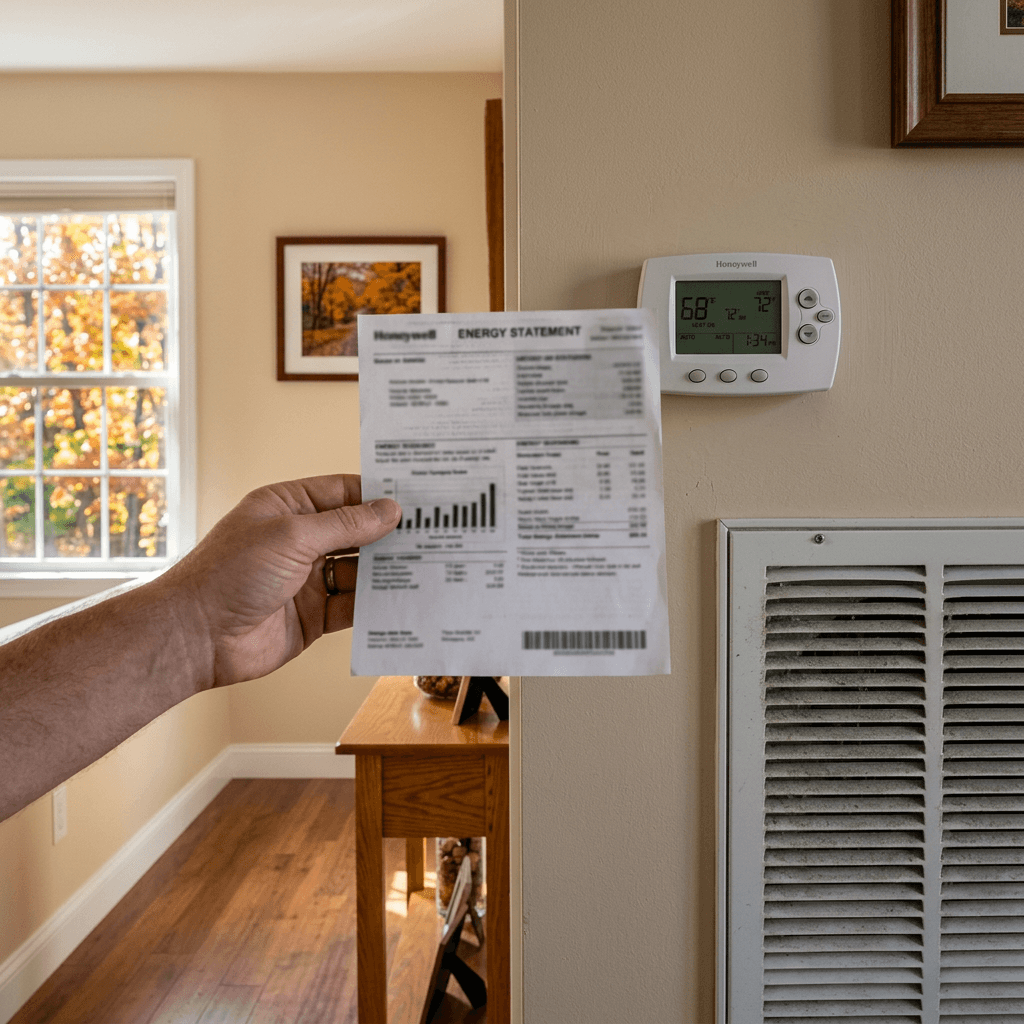
You open your energy bill and immediately wonder: Why is it so much higher than last month?
While seasonal temperature changes can naturally affect utility costs, a noticeable increase in your energy bill can also be a sign that your HVAC system is working harder than it should.
For homeowners and business owners in Huntsville, Alabama, October is an important transition month. Your air conditioner may still run on warmer afternoons, while cooler mornings and evenings can have you reaching for the heat. That transition makes fall a great time to pay attention to how your HVAC system is performing.
If your energy costs seem to be creeping upward, these six common HVAC problems could be contributing.
1. A Dirty HVAC Filter Is Restricting Airflow
Your air filter has a simple but important job: capturing airborne particles before they circulate through your HVAC equipment.
Over time, that filter becomes dirty. If it gets too clogged, your system has to work harder to move air through it.
Restricted airflow can contribute to longer run times, reduced comfort, and unnecessary strain on HVAC components.
How Often Should You Check Your HVAC Filter?
There isn't one schedule that works for every household. Homes with pets, allergies, heavy HVAC use, or higher levels of dust may need more frequent filter changes.
A good habit is to inspect your filter regularly and replace it according to the filter and HVAC manufacturer's recommendations.
2. Leaky or Damaged Ductwork Is Wasting Conditioned Air
Your HVAC equipment may be working properly while the ductwork carrying conditioned air throughout your home is not.
Leaks, disconnected sections, poor insulation, or damaged ductwork can allow heated or cooled air to escape before it reaches your living spaces.
That means your HVAC system may run longer trying to reach the temperature you've selected on your thermostat.
Possible signs of ductwork problems include:
- Rooms that are consistently warmer or colder than others
- Weak airflow from certain vents
- Excessive dust around the home
- HVAC equipment that seems to run constantly
- Difficulty maintaining a comfortable temperature
If certain areas of your Huntsville home never seem as comfortable as the rest, your HVAC equipment may not be the only thing worth inspecting.
3. Your Thermostat Could Be Working Against You
Sometimes higher energy use starts with something as simple as the thermostat.
Incorrect settings, poor thermostat placement, outdated equipment, or a malfunctioning thermostat can cause your HVAC system to operate more frequently than necessary.
Fall can make thermostat management particularly tricky in North Alabama. You might need air conditioning during a warm afternoon and heating later that same week.
Before assuming something major is wrong with your HVAC equipment, check your thermostat settings and make sure the temperature shown appears accurate.
Programmable and smart thermostats can also help homeowners create temperature schedules based on when they're home, sleeping, or away.
4. Your HVAC System Hasn't Been Properly Maintained
When was the last time your heating and cooling system had professional maintenance?
If you can't remember, your HVAC equipment may be overdue.
Heating and cooling systems contain numerous components that need to work together properly. Dirt buildup, airflow restrictions, electrical issues, worn parts, and other problems can affect system performance.
Preventative HVAC maintenance gives a technician an opportunity to inspect the system, clean applicable components, test operation, and identify potential problems.
October is an especially useful time for HVAC maintenance in Huntsville because your system is transitioning from months of heavy cooling use into heating season.
Instead of discovering a problem on the first genuinely cold night, you can address potential concerns beforehand.
5. Your HVAC System May Be Getting Older
Even a well-maintained HVAC system won't last forever.
As heating and cooling equipment ages, components wear down and system performance can change. Older equipment may need to run longer to maintain the same indoor temperature, particularly if it hasn't received consistent maintenance.
However, a higher energy bill does not automatically mean you need a new HVAC system.
Before replacing your equipment, have the system professionally inspected. The problem could be a repairable component, airflow issue, thermostat problem, maintenance need, or another issue that doesn't require complete replacement.
If your equipment is older and repairs are becoming increasingly frequent, an HVAC professional can help you compare the cost of continued repairs with the potential benefits of newer equipment.
6. Your Heating System Isn't Operating Efficiently
As Huntsville moves deeper into fall, your heating system begins taking over.
If your furnace or heat pump isn't operating properly, it may run longer or more frequently than necessary to maintain your desired indoor temperature.
Watch for warning signs such as:
- Heating cycles that seem unusually long
- Frequent starting and stopping
- Rooms that won't stay warm
- Weak airflow
- Unusual sounds or smells
- A thermostat setting that doesn't match how your home feels
- Sudden increases in energy usage
Heat pumps deserve particular attention during the seasonal transition because they provide both cooling and heating. If your heat pump has been working throughout Alabama's long cooling season, fall maintenance can help make sure it's ready to switch into heating mode.
Is It Normal for Energy Bills to Increase During Fall and Winter?
Some seasonal changes in energy costs are normal.
Your HVAC system's energy use depends on outdoor temperatures, thermostat settings, insulation, home size, equipment efficiency, energy rates, and how often the system operates.
The important thing to watch for is a change that doesn't make sense for your household.
If your habits haven't changed but your energy consumption suddenly jumps, or your HVAC system is running significantly more than usual, it may be worth investigating.
Your energy bill isn't just something to pay—it can sometimes provide an early clue that your HVAC system needs attention.
How Can I Lower My HVAC Energy Costs?
You don't necessarily need a major HVAC upgrade to start improving efficiency.
Begin with the basics:
- Check your air filter regularly
- Keep supply and return vents unobstructed
- Use reasonable thermostat settings
- Pay attention to unusual HVAC behavior
- Have potential ductwork issues inspected
- Schedule routine professional HVAC maintenance
- Address small repair needs before they become bigger problems
Your home's insulation, windows, air sealing, and other factors also influence heating and cooling costs, so HVAC equipment isn't always the sole cause of a high energy bill.
When Should You Call an HVAC Professional?
One unusually high utility bill doesn't necessarily mean something is wrong. Weather changes or energy rates could be responsible.
However, it's worth scheduling an HVAC inspection if higher bills are accompanied by changes in your system's performance.
If your HVAC system suddenly runs constantly, can't maintain the thermostat setting, produces weak airflow, makes unusual noises, or heats your home unevenly, don't ignore it.
Finding the cause early may help prevent additional strain on your equipment and a more inconvenient repair later.
Get Your Huntsville HVAC System Ready for Cooler Weather
October is the perfect time to pay attention to what your HVAC system is telling you.
If your energy bills are climbing and you aren't sure why, your heating and cooling system could be part of the problem. A dirty filter, leaking ductwork, thermostat issue, overdue maintenance, aging equipment, or inefficient heating can all affect how hard your system has to work.
Air Repair helps homeowners and businesses throughout the Huntsville, Alabama area diagnose HVAC problems and prepare their systems for changing seasons.
Don't wait until a higher energy bill turns into a heating breakdown on a cold Alabama night.
Call Air Repair today at (256) 508-5807 to schedule HVAC service and make sure your system is ready for the colder months ahead.